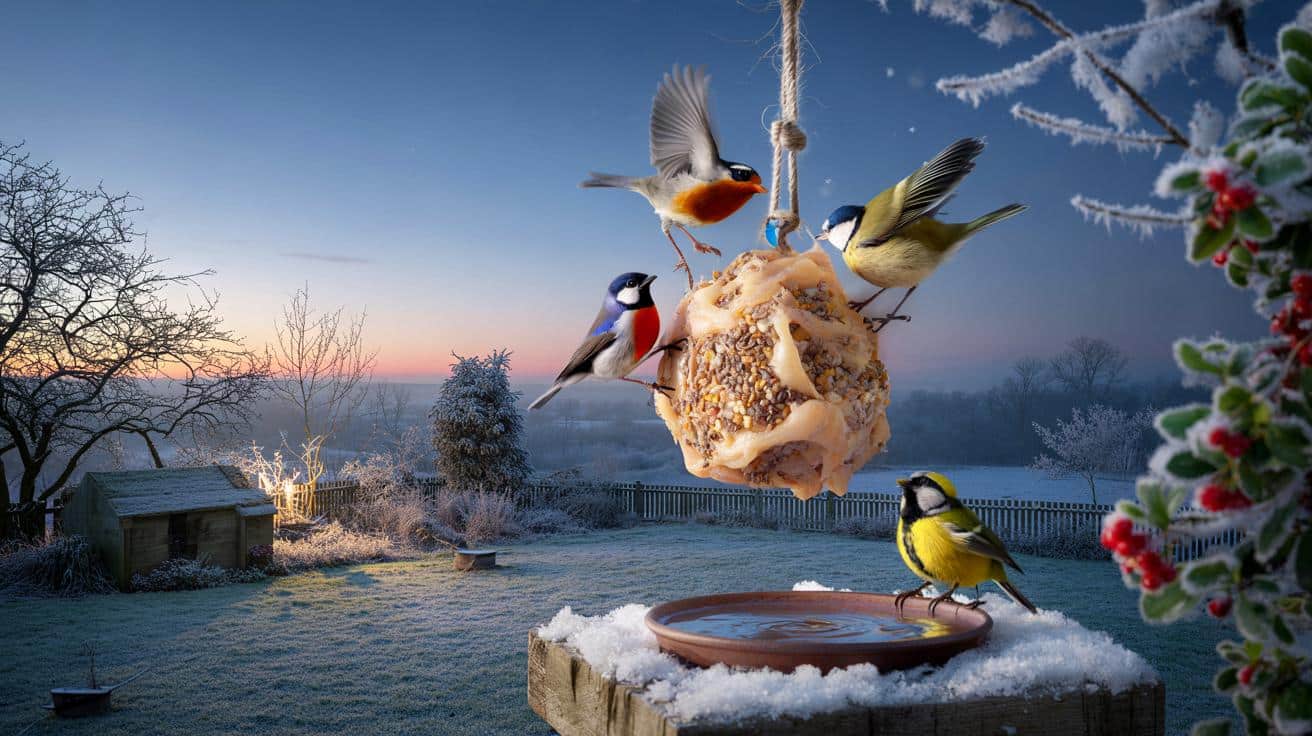
Across Britain and much of Europe, tiny robins, blue tits and sparrows spend every freezing hour burning through precious energy just to stay alive. A simple kitchen staple, used the right way, can tip the balance between life and death for them on the coldest nights.
Why icy nights are so brutal for small birds
Humans add an extra jumper, turn up the heating and make a hot drink. Wild birds have none of that. Their only defence is their own body.
A robin weighs about the same as a large coin. Yet it must keep its body temperature around 40°C, even when the air outside drops well below freezing. That constant heat production comes at a steep metabolic cost.
On a hard frost, a small songbird can burn through more than 10% of its body weight in energy in a single winter night.
They fluff up their feathers to trap air, shiver to generate warmth and seek shelter in hedges or nest boxes. Still, the maths is unforgiving. If they go to roost with an empty “fuel tank”, there is a real risk they will not see dawn.
Daylight hours in midwinter are short. Birds have only a few hours to feed intensively, build up fat reserves, and prepare for 14 to 16 hours of cold darkness. Once the sun drops, insects disappear, soil freezes, and natural food gets scarce or impossible to reach.
The well-meant mistake: foods that do more harm than good
People often want to help and reach for whatever they have to hand: leftover bread, cake, crisps, bits of sausage. The intention is generous, but the effect can be disappointing or even dangerous.
Why bread is a poor winter fuel
Bread fills a bird’s stomach quickly but offers limited usable energy. It is bulky, low in fat, and can swell once eaten.
- It creates a false feeling of fullness.
- It pushes out more nutritious food from the diet.
- It breaks down fast, attracting rats and spreading disease.
Sweet pastries or breakfast cereals bring another problem: sugar. They can cause short energy spikes, but they do not provide the slow, steady calories birds need to last through the night.
➡️ “At 63, I misunderstood my morning stiffness”: what my body needed instead
➡️ “I make it every Sunday in winter”: the potato–Brussels sprouts gratin that won over my whole family
➡️ War in Ukraine: Crimea attacked as Russians lose MiG-29 fighter jet and advanced radar
➡️ What is really the most efficient and energy‑saving space heater? Here’s the verdict
Salt and additives: a hidden threat
Processed human foods often contain salt, flavourings and preservatives. Birds’ kidneys are not designed to cope with this.
Even moderate salt levels that seem harmless to us can dehydrate birds and trigger serious health issues, sometimes fatally.
Chips, cured meats, salty peanuts and most table leftovers belong firmly in the “no” category for your feeder, especially in winter when birds are already stressed.
The one food that keeps them warm: unsalted fat
What their bodies truly need on freezing nights is concentrated, clean energy: high-quality fat with no salt or seasoning.
Unsalted animal fat is the closest thing birds have to a hot water bottle they can eat.
Birds metabolise fat with impressive efficiency. Unlike starches and sugars, fat provides long-lasting fuel that their bodies can slowly burn for hours after dark.
Why fat works so well
Fat has more than twice as many calories per gram as carbohydrates. For a tiny body fighting cold, that difference is huge.
- It is easy to digest for most garden species.
- It tops up their internal fat stores quickly.
- It supports continuous heat production all night.
Plain, unsalted fat – such as lard, suet, beef dripping or unsalted butter – acts like a dense energy block. Provided it is not seasoned, spiced or smoked, it gives birds the steady calories they need when insects, worms and soft seeds are locked away by ice.
Which fats to use – and which to avoid
| Recommended | Use with caution / avoid |
|---|---|
| Plain lard (unsalted) | Salted butter or margarine |
| Beef suet or dripping (unsalted) | Leftover gravy or meat fat with seasoning |
| Unsalted butter in cold weather | Processed suet pellets with high sugar coating |
| Unsalted duck or goose fat | Fats mixed with spices, onion or garlic |
The rule is simple: fat yes, salt and seasoning no.
Plant-based fats are less suitable. Soft vegetable spreads often contain added salt, emulsifiers and oils that go rancid quickly outside. Solid animal fat keeps its structure better in the cold and mirrors the natural fat birds would get from wild prey.
How to make a safe fat mix at home
You do not need specialist bird food to help. A basic “fat cake” takes just a few minutes in the kitchen.
Simple winter fat recipe
- 200 g plain lard, beef suet or unsalted butter
- 100 g mixed seeds (sunflower hearts, millet, oats, crushed peanuts)
Warm the fat gently in a pan until just melted. Take it off the heat and stir in the seeds so they are evenly coated. Pour the mixture into yoghurt pots, coconut shells, small bowls, or press it into moulds or old mugs. Let it cool completely until firm before hanging or placing it outside.
Fat should be fully set before birds touch it, to avoid mess and to stop it smearing on their feathers.
Where and how to place fat safely
Positioning matters almost as much as the recipe:
- Hang fat balls or pots at least 1.5 metres above the ground.
- Keep them near shrubs or trees so birds can dart for cover.
- Avoid spots easily reached by cats.
- Choose a shady place on milder days so the fat does not melt.
Using several small feeding points works better than one crowded station. It lowers aggression between species and gives shy visitors, like long-tailed tits, a fair chance to feed.
Beyond feeding: turning your garden into a winter refuge
Fat helps birds through the night, but the landscape around your home can either support or sabotage their efforts.
Easy habitat tweaks with big impact
- Leave a corner of the garden rough and untidy for shelter and insects.
- Install a couple of nest boxes that double as roosting spots in winter.
- Keep a shallow dish of water and break the ice each morning.
- Plant berry-bearing shrubs like hawthorn, holly or rowan for natural food.
A small, slightly messy garden can host more winter life than a perfectly manicured lawn.
If several neighbours do the same, an entire street turns into a chain of safe stations. For short-range birds that move from garden to garden, that network can mean more survivors reaching spring and breeding successfully.
What you’ll notice when birds get enough fat
Once you start offering unsalted fat regularly in cold spells, the difference becomes visible. Birds seem more active at first light, spending less time hunched and motionless. Their feathers look better kept, and they call more.
Local populations also ride out sudden cold snaps with fewer casualties. That matters for species already under pressure from habitat loss, pesticides and changing weather patterns.
A fat feeder will not change the climate, but on a bitter night it can change everything for the handful of birds that find it.
Extra tips, small risks and realistic expectations
There are a few details worth knowing. In warm weather, soft fats like butter can melt and smear on plumage, reducing waterproofing. Keep high-fat foods mainly for cold spells, and switch to seed mixes and fruit when temperatures rise.
Cleanliness also matters. Scrub feeders and replace old fat regularly to limit bacteria and mould, especially in damp weather. Handle raw fat as you would raw meat: wash hands and utensils afterwards.
Feeding should support natural behaviour, not replace it. Birds still need to forage, hunt insects and use wild food sources. Think of unsalted fat as an emergency ration packet you open for them during the toughest weeks, not a year-round buffet.
If you have children, this routine becomes an engaging winter project: they can help mix the fat cakes, hang them up, keep a simple notebook of visiting species, and start to see frost not just as a nuisance, but as a challenge that their household helps local wildlife to overcome.